

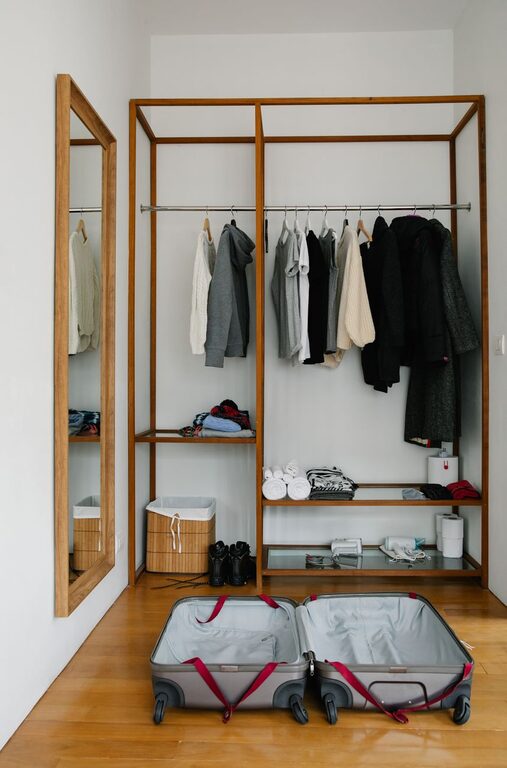
Storing seasonal clothes efficiently can make a big difference in how organized and clutter-free your home feels throughout the year. Whether you’re packing away bulky winter coats or tucking away summer dresses, proper storage helps keep your garments in good condition and frees up valuable closet space. In this post, we’ll explore practical tips and methods to store your seasonal clothes efficiently, so they’re ready to wear when the season comes back.
Why Proper Storage Matters
Clothes that sit unused can still take up a lot of space and are prone to damage from moisture, pests, and fabric wear. Efficient storage:
– Protects fabrics from dust, insects, and mildew.
– Prevents wrinkling and fabric distortion.
– Saves space, making it easier to find what you need.
– Prolongs the lifespan of your clothes.
With a little planning and the right supplies, seasonal clothes storage becomes a simple and rewarding task.
Preparing Clothes for Storage
Before packing away your seasonal items, take these preparatory steps:
1. Clean Everything
Always wash or dry clean clothes before storing them. Dirt, sweat, and oils can attract moths and cause stains to set permanently. Make sure clothes are completely dry to prevent mold and mildew growth.
2. Repair and Sort
Check for any loose buttons, missing zippers, or minor tears and fix them. Sort clothes by type—such as tops, bottoms, outerwear—or by material, so you can organize storage accordingly.
3. Choose What to Store
Use this opportunity to declutter. If you haven’t worn an item all season, consider donating it or recycling it. This reduces the amount you have to store and keeps your wardrobe manageable.
Best Storage Methods for Seasonal Clothes
Now that your clothes are clean and sorted, decide how to store them based on the type of garment and your available space.
1. Use Airtight Containers for Bulky Items
Winter coats, sweaters, and scarves can be bulky and require more protection.
– Choose clear plastic bins with tight-fitting lids to keep dust and moisture out.
– Avoid overpacking containers; leave some room to prevent crushing fabric.
– Add silica gel packets or moisture absorbers inside bins to control humidity.
2. Vacuum-Sealed Bags for Space Saving
Vacuum-sealed bags compress clothes to save space and protect from pests.
– These are great for down jackets, blankets, and bulky sweaters.
– Be cautious not to store delicate fabrics like silk or wool in vacuum bags, as compression can damage fibers.
3. Garment Bags for Special Pieces
For dresses, suits, and items that wrinkle easily:
– Use breathable garment bags made of cotton or non-woven fabric.
– Hang these in a closet or on a sturdy rack in a dry, cool area.
4. Drawer and Shelf Organization
For smaller items like t-shirts and shorts:
– Use stackable fabric bins or dividers within drawers.
– Consider labeling bins to easily find items later.
Storing Seasonal Clothes in Different Spaces
Your storage options may depend on the available space in your home.
1. Closet Storage
– Use the top shelf for bins with off-season clothes.
– Install hanging organizers or extra rods to maximize vertical space.
– Consider slim, non-slip hangers to save room.
2. Under-Bed Storage
– Low-profile containers and rolling bins work well for storing clothes under the bed.
– Ensure they have lids to protect against dust and pests.
3. Attics and Basements
– These can be suitable if dry and temperature-controlled.
– Avoid storing clothes directly on the floor; use pallets or shelves.
– Monitor moisture levels regularly.
Protecting Your Clothes from Pests and Damage
Clothes moths and other pests love natural fibers like wool and cashmere.
– Use cedar blocks or sachets of lavender in storage bins to deter moths.
– Avoid mothballs, as their strong odor can be hard to remove.
– Check stored clothes periodically for any signs of damage.
– Keep storage areas clean and dry.
Tips for Easy Seasonal Clothing Rotation
To make switching between seasons easier:
– Label all storage containers clearly with contents and season.
– Store frequently used items in the most accessible spots.
– Maintain a list or inventory of what’s in storage to avoid buying duplicates.
– When bringing clothes out of storage, inspect and air them out before use.
Final Thoughts
Efficiently storing seasonal clothes helps keep your home neat and ensures your favorite garments stay fresh and ready to wear. With proper cleaning, sorting, and storage techniques, you can protect your clothes and enjoy a clutter-free closet all year round. Try these tips the next time you switch out your wardrobe, and notice how much easier it becomes to manage your clothes season after season.